UK Gambling Sector Braces for 2026 Overhaul: Tax Hikes, Leadership Shake-Up, and Stricter Rules Reshape the Landscape
UK Gambling Sector Braces for 2026 Overhaul: Tax Hikes, Leadership Shake-Up, and Stricter Rules Reshape the Landscape

Remote Gaming Duty Jumps to 40%: A Game-Changer for Online Casinos
The UK gambling sector gears up for one of its biggest fiscal shifts yet, as the Remote Gaming Duty surges from 21% to 40% starting April 1, 2026; this hike zeroes in on online slots and casino games, aiming to generate over £1 billion in annual revenue for the Treasury, while operators scramble to adjust their models before the deadline.
What's interesting here is how this targets remote activities specifically, leaving land-based venues largely untouched; bingo operators catch a break too, since the government repeals Bingo Duty entirely, a move that could breathe new life into traditional halls struggling post-pandemic.
Figures from High Stakes reports reveal the precision of this policy, designed to capture revenue from high-margin digital products without broadly penalizing the entire industry; experts note that online casino revenues, which have ballooned in recent years, now face this steep climb, prompting some firms to rethink pricing and player incentives ahead of implementation.
Andrew Rhodes Steps Down: Gambling Commission Faces Leadership Transition
Adding to the turbulence, Gambling Commission Chief Executive Andrew Rhodes departs on April 30, 2026, wrapping up a tenure marked by intensified regulatory scrutiny; his exit comes amid these sweeping changes, leaving the regulator to navigate the transition with a new leader at the helm.
Observers point out that Rhodes oversaw key reforms like affordability checks and stake limits on slots, so his departure raises questions about continuity; the Commission, through its official channels, has yet to name a successor, but the timing aligns closely with the tax rollout, potentially influencing enforcement approaches in the months ahead.
Now, as March 2026 approaches with operators finalizing compliance plans, this leadership shift underscores the sector's volatile moment; those who've tracked Commission moves know such changes often signal deeper strategic pivots.
Illegal Gambling Market Expands: 5.3-9% Share Signals Enforcement Challenges
While licensed operators brace for higher taxes, the illegal gambling market swells to an estimated 5.3-9% share of total activity; data indicates this underground growth thrives on unregulated platforms offering better odds or crypto anonymity, pulling players away from compliant sites.
But here's the thing: tighter rules on legal operators might inadvertently fuel this shadow economy, as punters seek alternatives; researchers who've analyzed market data observe that enforcement lags behind tech-savvy illicit networks, especially in peer-to-peer betting and offshore casinos.
Take one case where experts uncovered networks processing millions via untraceable wallets; such trends, coupled with the duty hike, could exacerbate the divide, making regulatory vigilance that much more critical as 2026 unfolds.
New Promotional Rules Kick In Early: Wagering Caps and Bonus Bans from January 19
Operators face another layer of restriction with promotional rules activating January 19, 2026, capping bonus wagering at 10x the deposit or bonus amount; this slashes the playthrough demands that once kept players spinning longer, while a ban on mixed-product promotions—like sports bets bundled with casino free spins—further limits marketing creativity.
These measures, part of the broader Gambling Act review, aim to curb aggressive inducements; studies found that high wagering requirements often trapped players in cycles of chasing losses, so the 10x limit standardizes fairness across operators.
And yet, the early rollout—well before the April tax changes—gives firms a head start on adaptation; people in the industry note how this reshapes welcome offers, pushing creativity toward straightforward cashback or low-cap spins instead of layered deals.
Financial Ripples Hit Major Players: Flutter and Evoke Feel the Squeeze
Big names like Flutter Entertainment and Evoke PLC already signal the strain; Flutter, behind brands like Paddy Power and FanDuel, reports potential margin erosion from the 40% duty, with analysts projecting £200-300 million in added annual costs for its UK online operations.
Evoke, formerly William Hill's owner, faces similar headwinds; its latest earnings call highlighted the need for pricing tweaks and cost efficiencies, as the tax leap could shave 10-15% off EBITDA unless offset by volume growth or market share grabs.
Turns out, shares dipped post-announcement for both, reflecting investor jitters; those who've studied operator finances know that while land-based arms provide buffers, online casinos—now the revenue powerhouse—bear the brunt, prompting consolidations or even exits for smaller rivals.
So, as March 2026 nears with quarterly reports looming, these firms ramp up lobbying and innovation; it's not rocket science that passing costs to players risks churn, especially with illegal options lurking.
Looking Ahead: Financial Risk Pilots and Crypto Payments on the Horizon
The online casino landscape evolves further through pilots on financial risk checks, testing real-time assessments of player deposits against income data; these trials, set to expand in 2026, build on existing frictionless checks, aiming to flag vulnerability without halting play entirely.
What's significant is the potential for regulated crypto payments too; regulators explore frameworks to bring blockchain transactions onshore, complete with KYC and duty collection, which could lure back crypto gamblers from illicit sites.
One study revealed that 20% of high-risk players already use digital currencies offshore; by formalizing this, the UK might claw back revenue while enhancing safety nets, although implementation details remain fluid into mid-2026.
Experts who've piloted similar tech note the balance: protect players, yes, but don't stifle the £15 billion market; that's where the rubber meets the road for policymakers.
Wrapping Up the 2026 Shifts
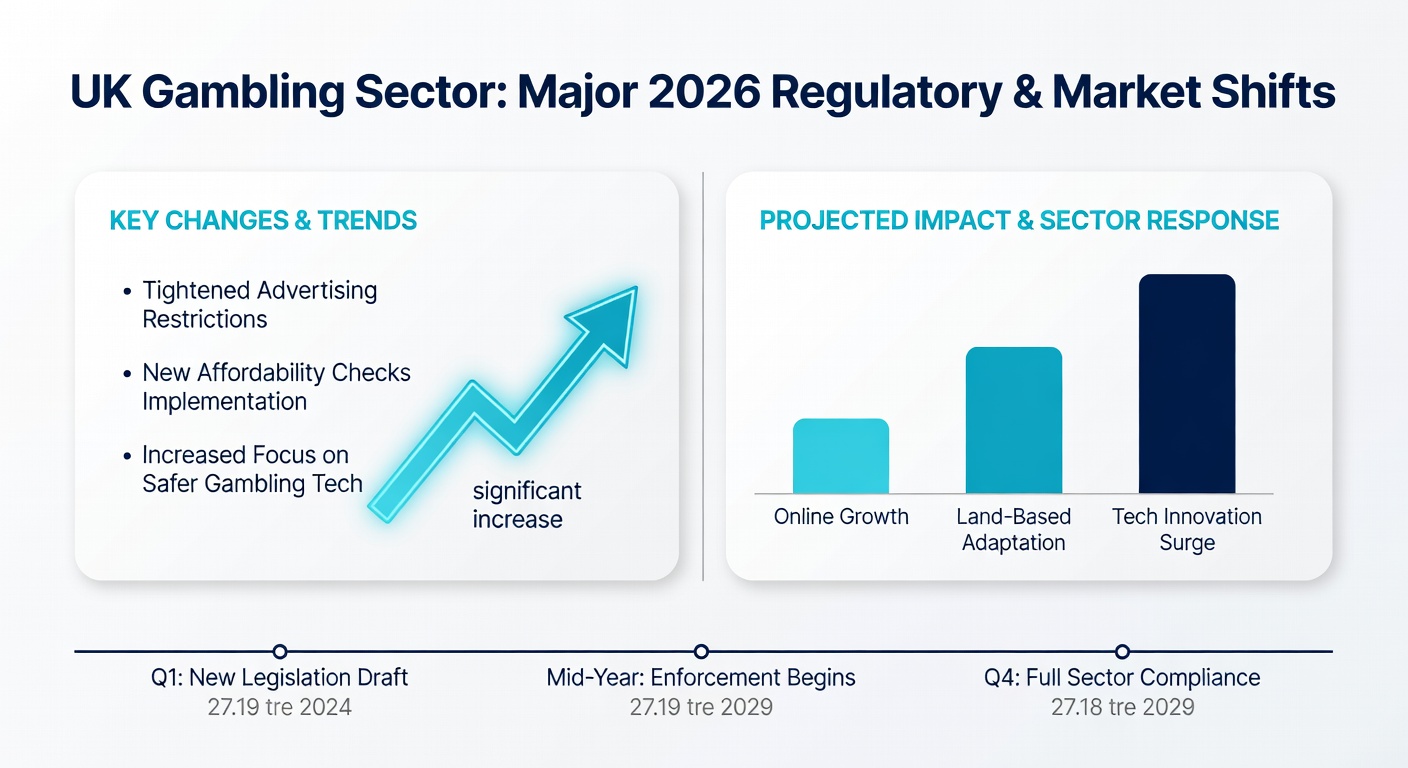
These interconnected changes—from the 40% Remote Gaming Duty and Bingo Duty repeal, to Rhodes' exit, illegal market growth, promo curbs, operator squeezes, and forward pilots—paint a sector in flux; data shows the UK gambling industry, valued at over £15 billion, adapts or risks fragmentation as April 1, 2026, approaches.
Observers highlight how March preparations, including compliance audits and promo redesigns, set the stage; ultimately, licensed operators that innovate amid constraints stand best positioned, while the interplay of taxes, rules, and tech pilots defines the new normal.
The writing's on the wall: a more controlled, revenue-focused era dawns, with players, firms, and regulators all navigating uncharted waters together.