Syncing Pocket Plays to Pooled Fortunes: Tracing Technical Links Between Portable Perks and Live Progressive Accumulations

Technical architectures now connect mobile bonus systems directly to live progressive jackpot pools through standardized APIs and real-time data streams, allowing portable perks to feed into networked accumulations without manual intervention. These integrations rely on secure server handshakes that transmit player activity from handheld devices to central jackpot controllers in milliseconds, and observers note that such connections have expanded since operators began prioritizing cross-platform compatibility in regulated markets.
Core Infrastructure Behind the Connections
Central servers maintain synchronized ledgers where mobile-triggered contributions from bonus funds update progressive meters across live dealer tables and slot networks simultaneously, while encryption protocols protect each transaction layer. Data centers operated by platform providers handle load balancing so that spikes in mobile traffic during peak hours do not interrupt the continuous accumulation of pooled prizes, and studies from industry reports indicate that average latency in these systems has dropped below 200 milliseconds in major deployments.
Portable perks, such as deposit-matched credits or free-spin allocations, carry metadata tags that identify their origin and eligibility for jackpot participation, allowing backend scripts to route portions of those funds into the live progressive pool according to predefined allocation rules. Regulatory frameworks in multiple jurisdictions require audit trails for these transfers, and figures from the Nevada Gaming Control Board show documented increases in cross-device jackpot contributions tracked through similar tagging methods.
Mobile Perks Feeding Live Accumulations
When a player activates a mobile bonus on a smartphone or tablet, the platform records the transaction and applies a fractional percentage to the linked progressive meter before the session even reaches a live dealer environment. This process uses event-driven triggers that fire upon bonus redemption, ensuring the contribution registers instantly whether the subsequent play occurs on a virtual slot or transitions to a streamed table game. Those who've examined the protocols describe the flow as a continuous pipeline where each portable perk effectively seeds the larger accumulation without requiring separate user action.
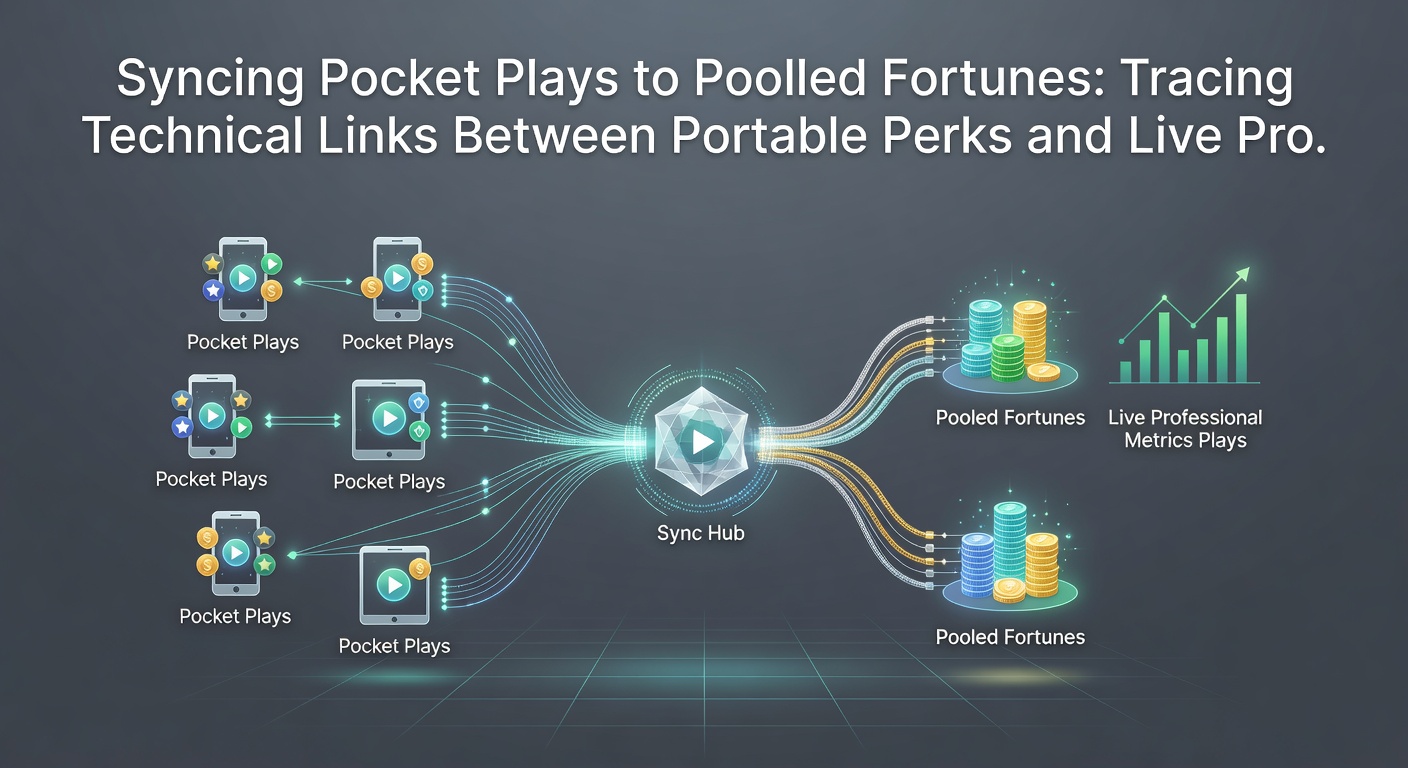
Live progressive systems then aggregate these inputs alongside direct wagers from desktop and land-based terminals, creating a unified pool that grows regardless of access point. Software development kits supplied by game aggregators embed the necessary hooks so that mobile applications can query current jackpot values and display them alongside available perks, and reports compiled by the European Gaming and Betting Association reveal rising adoption rates of these unified display standards across operator networks.
Security and Compliance Layers
Multi-factor authentication combined with device fingerprinting verifies that mobile bonus redemptions originate from approved jurisdictions before any funds reach the progressive pool, preventing unauthorized cross-border contributions. Random number generators certified by independent labs run in parallel on both mobile and live sides, maintaining consistent fairness parameters even as data moves between environments. Observers note that these layered checks have become standard since testing protocols tightened following earlier discrepancies reported in multi-state operations.
Accounting modules reconcile mobile perk usage against jackpot increments on a per-session basis, producing reports that regulators can access through dedicated portals. As of May 2026, several North American platforms have implemented blockchain-based logging for these reconciliations, providing immutable records that satisfy both internal audits and external oversight requirements.
Case Implementations in Current Markets
One large European operator integrated its mobile loyalty rewards directly into a live roulette progressive network last year, resulting in measurable growth of the shared pool from handheld contributions alone. Another deployment in an Australian-regulated environment linked tablet-based free-spin bonuses to a multi-table poker jackpot system, with backend analytics confirming that over 30 percent of recent pool increases traced back to portable sources. These examples illustrate the practical outcomes when technical links operate without friction, and similar patterns appear in emerging Canadian provincial frameworks.
Conclusion
The technical pathways between mobile perks and live progressive accumulations rest on established API standards, real-time synchronization, and audited allocation rules that operate across devices and jurisdictions. Continued refinements in latency reduction and logging methods support ongoing expansion of these connections while meeting regulatory demands for transparency and security.