Charting Layered Incentives from Portable Formats to Dealer-Mediated Accumulations in Regulated British Venues
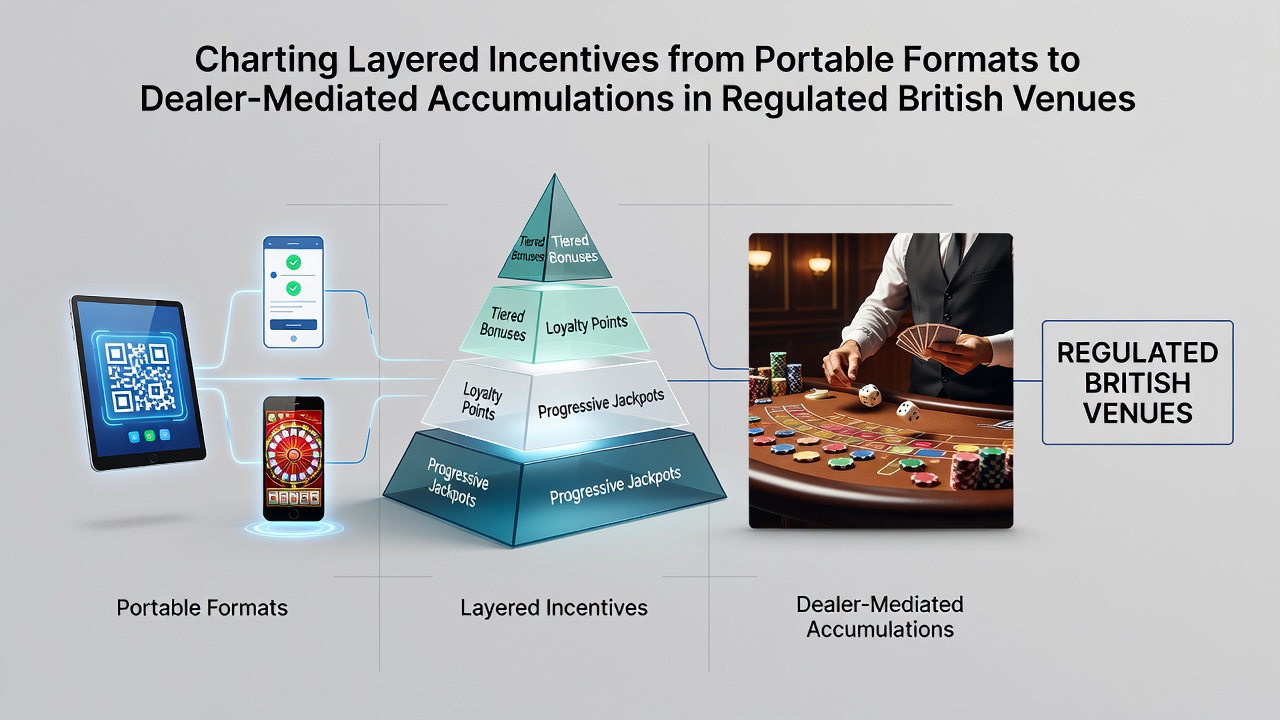
Regulated venues across Britain have developed structured approaches to incentives that begin with portable digital formats and extend into dealer-mediated systems where accumulations build through direct interaction, and data from industry analyses shows these layers operate within frameworks established by various oversight bodies, while observers note the integration creates pathways for participants to move between mobile applications and physical tables without disrupting continuity of benefits.
Portable Formats as Entry Points
Portable incentive structures rely on applications and online interfaces that deliver initial rewards through standardized mechanisms such as loyalty tracking and point allocations, and researchers at institutions including those affiliated with the University of Nevada Reno have documented how these systems use algorithms to calculate participation metrics in real time, which allows for seamless data transfer when users transition to venue-based activities, yet the portability depends on secure verification protocols that maintain compliance across regions.
Studies from the European Gaming and Betting Association indicate that digital formats account for measurable portions of initial engagement in regulated markets, with figures revealing consistent patterns in how points accumulate before conversion to physical rewards, and this process incorporates elements like tiered status levels that carry forward when participants enter dealer-mediated environments where live interactions further modify the accumulation rates.
Transition to Dealer-Mediated Accumulations
Dealer-mediated accumulations occur when participants engage directly with table operations in British venues, where incentives layer on top of portable foundations through mechanisms such as session-based multipliers and interaction logs maintained by staff, and evidence from operational reports demonstrates that these systems record contributions in ways that integrate prior digital data, creating unified profiles that reflect both remote and on-site activity.
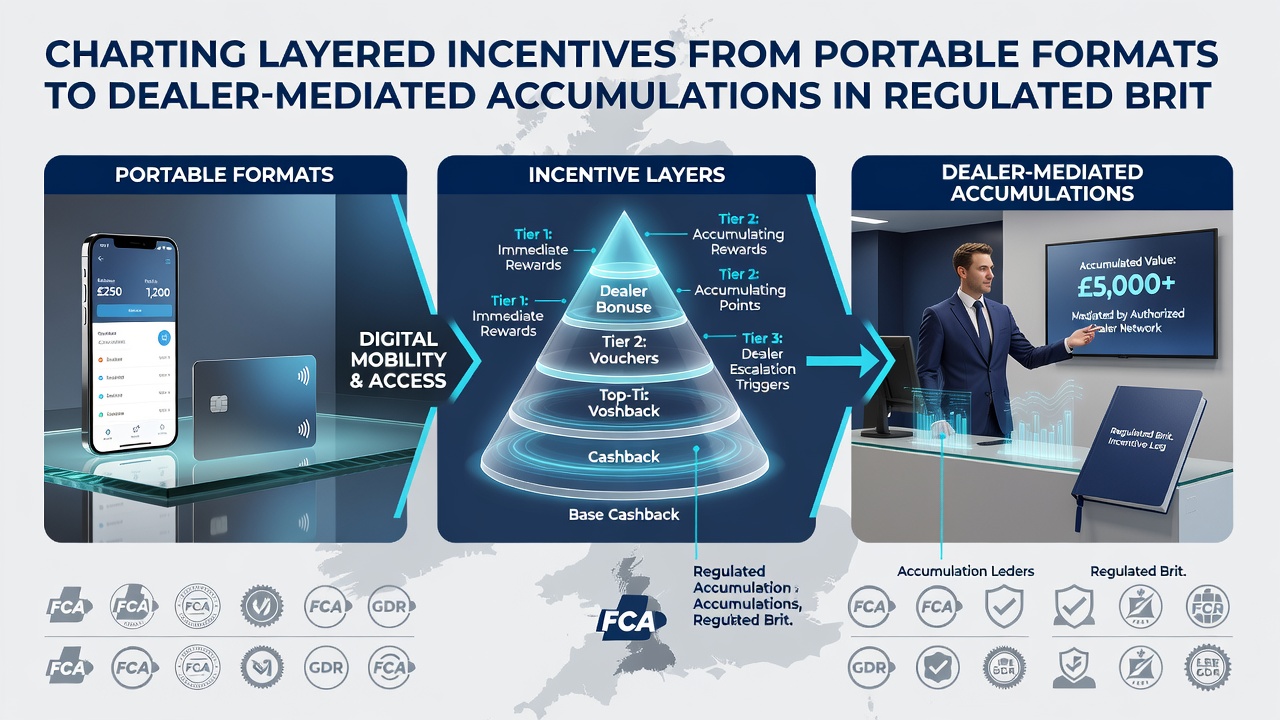
Regulatory adjustments scheduled around June 2026 have prompted venues to refine these transitions, and data from comparable oversight structures in places like the Nevada Gaming Control Board shows similar evolutions where integration standards reduce fragmentation between formats, while participants benefit from accumulations that scale according to combined metrics rather than isolated sessions.
Regulatory Context and Data Patterns
Authorities in multiple jurisdictions track how layered incentives influence venue operations, and reports compiled by organizations such as the Canadian Gaming Association highlight correlations between portable entry points and sustained dealer-mediated participation rates, with statistics indicating that venues adopting unified tracking see higher continuity in accumulation volumes over extended periods.
Implementation in British settings incorporates verification steps that align portable data with live dealer records, and this alignment supports compliance while allowing accumulations to reflect total engagement across channels, although variations exist based on specific venue policies and regional guidelines that evolve independently of centralized mandates.
Operational Examples Across Venues
Take one major operator in England where portable applications feed initial points into systems that dealers access during gameplay, and this setup results in accumulations that adjust dynamically based on table performance and duration, according to internal metrics shared in industry summaries, while similar patterns appear in Scottish venues that emphasize cross-format consistency to maintain participant profiles.
Additional cases from Welsh regulated sites illustrate how accumulations from dealer interactions can unlock venue-specific adjustments that build upon digital foundations, and observers have noted these processes rely on real-time updates rather than periodic reconciliations, which streamlines the overall experience without introducing separate tracking silos.
Conclusion
Layered incentives in regulated British venues demonstrate clear progression from portable digital formats into dealer-mediated accumulations, and available data from international regulatory comparisons supports the view that these systems enhance continuity when properly integrated, with upcoming developments around June 2026 likely to influence further refinements in tracking and verification practices across the sector.