Aligning Redemption Protocols with Expanding Prize Accumulations Across Portable High-Stakes Platforms
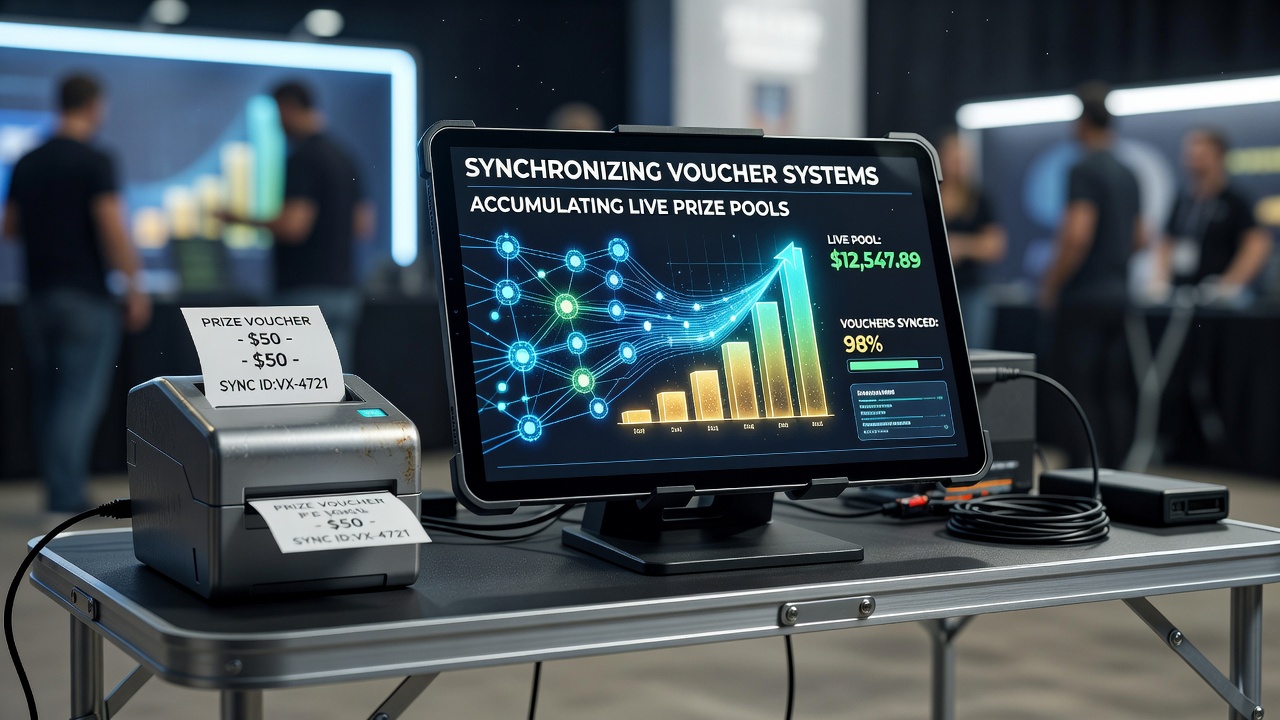
Portable high-stakes environments rely on precise coordination between voucher redemption mechanisms and live prize pool accumulations to maintain operational integrity across mobile platforms, and data from industry reports shows that synchronization failures can disrupt prize distribution timelines by up to 40 percent in peak usage periods. Technical frameworks must handle real-time updates where vouchers issued at physical or virtual points integrate directly with accumulating pools that grow through continuous player contributions, creating a unified ledger that tracks both redemption values and jackpot escalations without lag or discrepancy.
Core Components of Voucher and Prize Pool Integration
Redemption protocols operate through encrypted token systems that validate voucher authenticity at the moment of entry into the prize accumulation engine, while live pools expand based on percentage contributions from each high-stakes round played on portable devices. Researchers at the Nevada Gaming Control Board have documented how these components connect via API endpoints that push voucher data into central servers, allowing prize totals to reflect redeemed values instantly and preventing over-allocation during multi-device sessions. Observers note that portable environments introduce variables such as network latency and device handoffs, which demand adaptive algorithms capable of reconciling data streams within milliseconds to avoid pool inflation or voucher duplication.
Technical Protocols for Real-Time Synchronization
System architects implement blockchain-inspired ledgers alongside traditional relational databases to log every voucher issuance and prize increment as immutable entries, and this dual approach supports verification across distributed portable terminals. According to findings from the Australian Gambling Research Centre, synchronization success rates improve when protocols incorporate timestamped acknowledgments that confirm receipt of each data packet before updating the live pool balance. Portable devices running high-stakes applications often switch between cellular and Wi-Fi networks, so the architecture includes fallback queues that store pending voucher redemptions until connectivity stabilizes and the accumulating prize total recalibrates accordingly.
Regulatory Context and June 2026 Developments
Regulatory bodies across multiple jurisdictions have begun mandating standardized interfaces for voucher-prize linkages in portable systems, with new compliance requirements scheduled for rollout in June 2026 that emphasize audit trails for every synchronization event. These rules require operators to demonstrate that live prize pools accurately reflect voucher contributions without manual intervention, and figures from the European Gaming and Betting Association indicate that jurisdictions adopting similar standards have reduced dispute rates related to prize discrepancies by 25 percent. Portable high-stakes platforms must therefore incorporate logging mechanisms that export synchronization records in formats compatible with oversight software used by regulators in regions including Canada and parts of Asia.
Case Examples from Operational Deployments
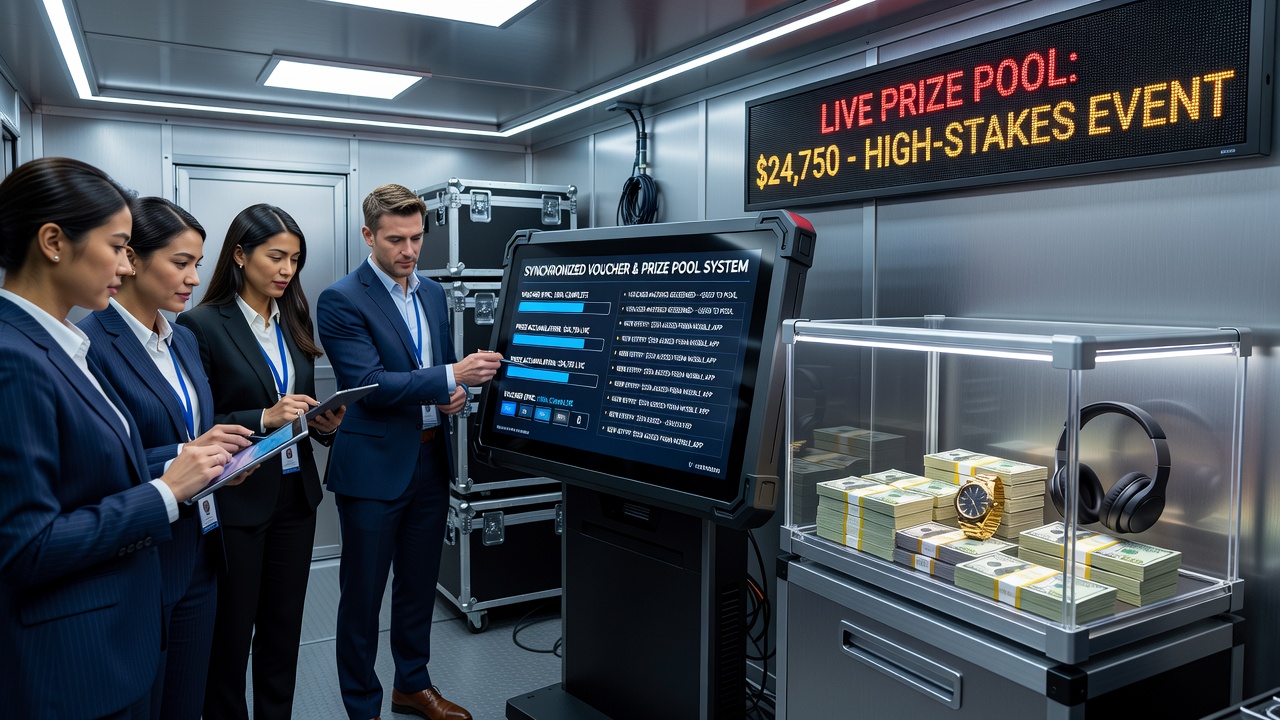
One deployment in North American portable gaming networks demonstrated how layered encryption on voucher tokens prevented unauthorized injections into prize pools during high-volume events, and the same setup allowed real-time scaling of accumulation rates based on verified redemptions. Another instance tracked by academic researchers at the University of Nevada involved portable terminals at temporary high-stakes venues where network interruptions occurred, yet the queued synchronization process restored full prize pool accuracy within 12 seconds once connections resumed. These examples illustrate that robust error-handling routines form the backbone of reliable integration rather than relying solely on constant connectivity.
Data Flow and Error Mitigation Strategies
Data packets carrying voucher details travel through secure channels that include checksum validations to detect corruption before they merge with the live prize accumulation model, and mitigation protocols trigger automatic rollbacks if inconsistencies appear between the voucher ledger and the current pool total. Industry organizations such as the International Association of Gaming Regulators have outlined best practices that include periodic reconciliation cycles run every 30 seconds during active sessions, ensuring that any drift caused by portable device clock variations gets corrected before affecting player-visible prize amounts. The reality is that high-stakes environments amplify the impact of even minor synchronization errors, which is why testing environments simulate thousands of concurrent redemptions to validate system resilience under load.
Conclusion
Effective synchronization between voucher systems and accumulating live prize pools in portable high-stakes environments depends on integrated protocols that handle real-time validation, network variability, and regulatory reporting requirements. Deployments continue to evolve with scheduled updates such as those planned for June 2026, and ongoing research from academic and regulatory sources supports refinements that maintain accuracy across distributed platforms. Organizations implementing these frameworks report measurable improvements in operational continuity when they prioritize adaptive algorithms and comprehensive logging over static solutions.